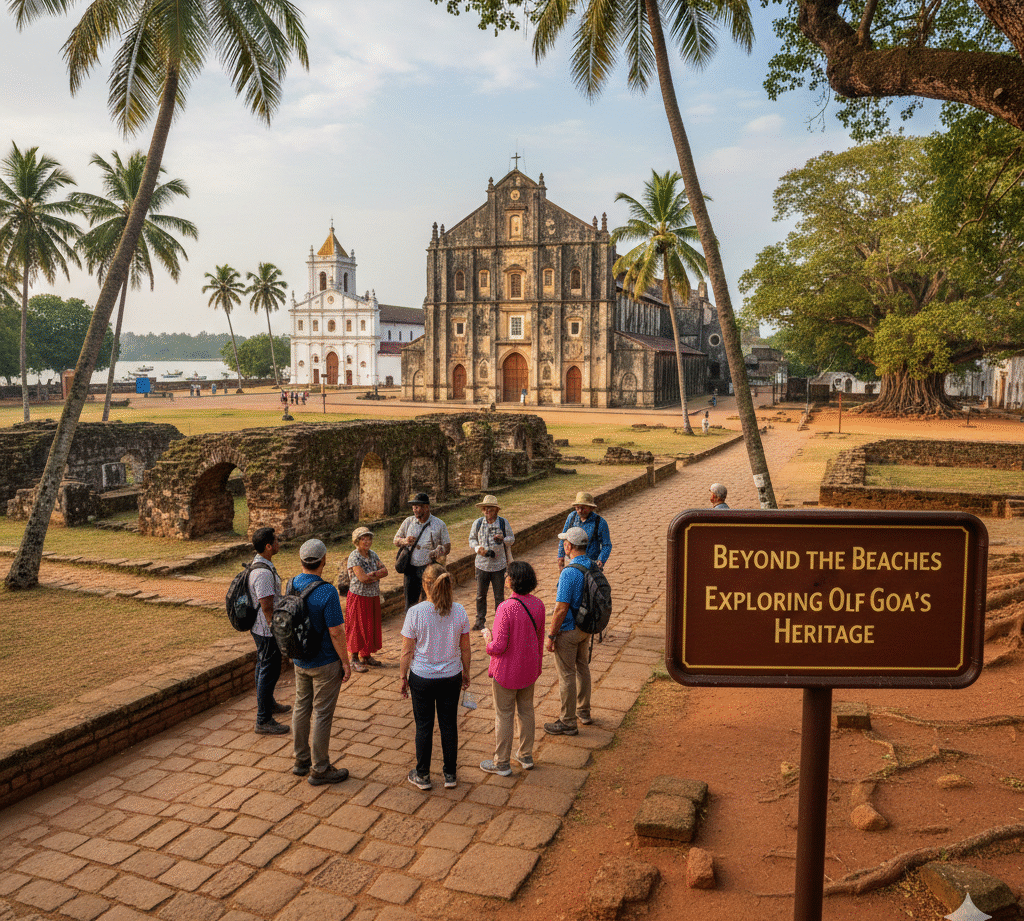
Beyond the Beaches: Exploring Old Goa’s Heritage
Goa is often celebrated for its sun-soaked beaches, lively nightlife, and laid-back coastal charm. Yet, beyond the rhythm of the waves lies a deeper, quieter story—one rooted in centuries of history, faith, and cultural exchange. Old Goa, once the capital of Portuguese India, stands as a testament to this remarkable past.
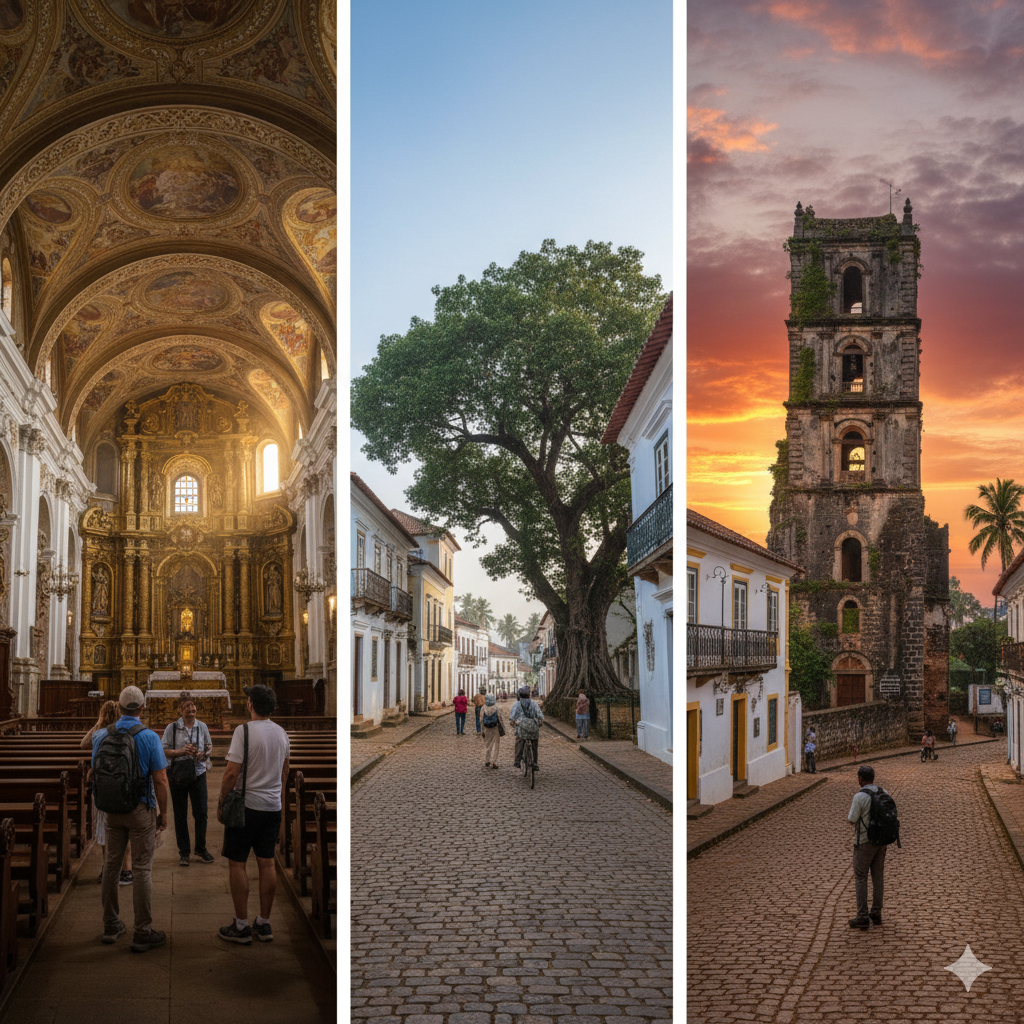
Exploring Old Goa takes travelers away from the beaches and into a world of grand churches, silent ruins, and timeless traditions. It is here that Goa reveals its soul, offering a journey that is as enriching as it is unforgettable.
Old Goa: The Former Capital of Portuguese India
Known historically as Velha Goa, Old Goa rose to prominence in the 16th century as a thriving political, religious, and commercial center. Strategically positioned along the Mandovi River, the city became one of Asia’s wealthiest ports and earned the title “Rome of the East.”
Why Old Goa was historically important:
-
Served as the capital of Portuguese India for over 250 years
-
Major center for missionary activity and Christian learning
-
A global trading hub linking Europe and Asia
-
A melting pot of European and Indian cultures
Though epidemics and economic shifts eventually led to its decline, Old Goa’s architectural legacy remains magnificently preserved.
UNESCO World Heritage Sites in Old Goa
Old Goa is best known for its cluster of UNESCO World Heritage Sites, particularly its churches and convents that showcase exceptional European architecture adapted to Indian conditions.
1. Basilica of Bom Jesus
One of the most iconic landmarks in India, the Basilica of Bom Jesus, holds immense religious and historical significance.
Highlights include:
-
The mortal remains of St. Francis Xavier
-
A UNESCO World Heritage Site
-
Stunning Baroque architectural design
-
An important Christian pilgrimage destination
The basilica’s ornate altars, marble flooring, and peaceful ambience make it the spiritual heart of Old Goa.
2. Sé Cathedral
Standing opposite the Basilica of Bom Jesus, the Sé Cathedral is among the largest churches in Asia.
Key features:
-
Dedicated to St. Catherine of Alexandria
-
Home to the famous Golden Bell
-
Massive interiors and imposing façade
-
Symbol of Portuguese power and authority
Its sheer scale and architectural grandeur leave a lasting impression on visitors.
3. Church of St. Francis of Assisi
A blend of art, faith, and architecture, this church is a must-visit for history lovers.
Why it stands out:
-
A combination of Manueline, Mannerist, and Baroque styles
-
Frescoes depicting scenes from the life of St. Francis
-
Attached Archaeological Museum of Goa
The museum provides valuable insight into Goa’s colonial past through artifacts and sculptures.
4. Ruins of St. Augustine Tower
Among the most evocative sites in Old Goa, the ruins of St. Augustine Tower tell a story of grandeur and decline.
What you’ll experience:
-
The remaining bell tower of a once-massive church
-
Panoramic views of Old Goa’s landscape
-
A powerful reminder of time’s passage
This site perfectly captures the haunting beauty of Old Goa’s heritage.
Cultural Fusion: The Living Legacy of Old Goa
Old Goa’s influence extends beyond its monuments. Centuries of Portuguese rule led to a unique cultural fusion that continues to define Goa today.
This blend is visible in:
-
Goan Catholic festivals and religious processions
-
Indo-Portuguese architecture and family surnames
-
Traditional Goan cuisine
-
Music, art, and everyday customs
Exploring Old Goa helps travelers understand how cultural exchange shaped modern Goa beyond its beaches.
Why Old Goa Is a UNESCO World Heritage Site
In 1986, Old Goa’s churches and convents were declared UNESCO World Heritage Sites, recognizing their global importance.
UNESCO recognition is based on:
-
Outstanding architectural and artistic value
-
Influence on Christian history in Asia
-
Cultural exchange between Europe and India
-
Exceptional preservation of colonial monuments
This status ensures protection while emphasizing Old Goa’s international significance.
Exploring Old Goa with mytourcapital
Old Goa offers a peaceful, reflective alternative to Goa’s bustling beach destinations. While self-exploration is rewarding, guided heritage walks provide deeper context and storytelling.
With mytourcapital, travelers can experience Old Goa through expertly curated heritage tours that bring history to life. From understanding the symbolism behind church architecture to uncovering lesser-known stories, mytourcapital transforms a simple visit into an immersive cultural journey.
Why choose mytourcapital:
-
Knowledgeable local guides
-
Well-planned heritage walking routes
-
Insightful historical storytelling
-
Authentic and enriching experiences
Best Time and Tips to Visit Old Goa
Travel tips for a memorable visit:
-
Best season: October to March
-
Visit early morning for fewer crowds
-
Dress modestly when entering churches
-
Allocate at least half a day for exploration
A calm pace allows visitors to fully absorb Old Goa’s atmosphere and historical depth.
Beyond the Beaches: Why Old Goa Deserves Attention
While Goa’s beaches attract millions of travellers, Old Goa tells the story that truly defines the destination. Its grand churches, quiet ruins, and cultural landmarks reveal centuries of faith, power, and cultural exchange that shaped Goa’s identity.
Whether you explore independently or choose thoughtfully curated heritage experiences with mytourcapital, Old Goa invites you to slow down and experience history in a meaningful way. Beyond the beaches lies a heritage that continues to inspire—transforming monuments into memories and history into lasting impressions.
Go beyond the beaches. Discover Old Goa. Explore its heritage with mytourcapital.